

Cart
0
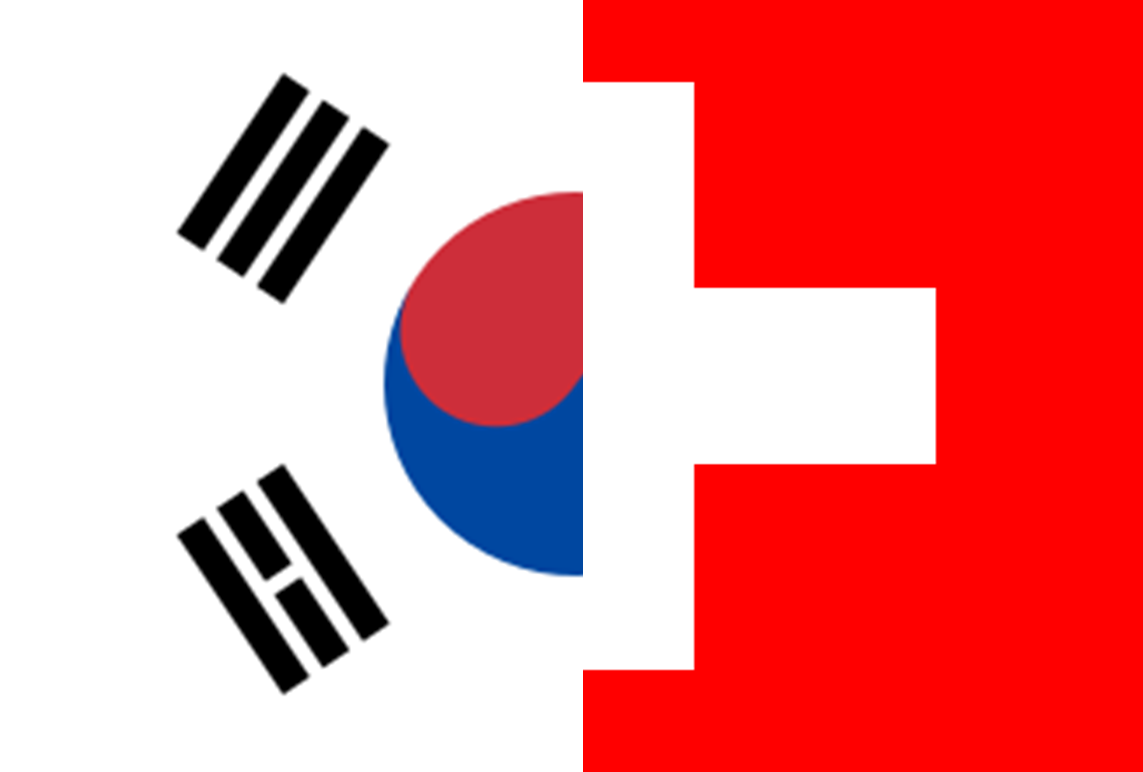
A clear safety guide for Swiss travellers
When you think of Switzerland, you probably think:
safe, calm, neutral, high quality of life.
When you think of South Korea, you might think:
K-pop, neon lights, cafés… and then suddenly North Korea and missiles on the news.
So it’s natural to ask:
How safe is South Korea compared to Switzerland – really?
Short answer:
-
On paper, Switzerland is still one of the safest and most peaceful countries in the world.
-
In everyday life, South Korea is also very safe, with crime levels and “safety index” values that are surprisingly similar to Switzerland.
Let’s look at the details from a Swiss traveller’s perspective.
1. Big Picture: Peace & Safety Rankings
Global peace rankings
The Global Peace Index 2024 ranks countries by overall peacefulness (conflict, safety, militarisation):
-
Switzerland ranks 6th in the world, with a very low peace index score (lower = more peaceful).
-
South Korea is ranked 46th, mainly because of military tension and high militarisation on the Korean peninsula – not because daily life is chaotic.
So geopolitically, Switzerland is clearly “safer” on paper.
Everyday safety index
If you look at street-level safety, the gap almost disappears:
-
Numbeo’s Safety Index 2025 mid-year gives
-
Switzerland: 73.3
-
South Korea: 73.1 (higher = safer)
-
In a separate quality-of-life comparison, both countries again show “High” safety with very similar scores (around 71–73).
👉 For a normal visitor, this means:
Both Switzerland and South Korea are very safe by global standards.
2. Everyday Safety: What It Feels Like
Switzerland: very safe, watch your wallet
Official travel advisories for Switzerland describe it as safe, with the main risk being petty crime:
-
Pickpocketing and bag snatching on trains, in city centres and tourist areas (Zürich, Basel, Bern, Geneva).
-
Thieves often operate in airports, railway stations and on public transport.
South Korea: low crime, very monitored
Travel advice for South Korea from several governments is similar:
-
“For most travellers, South Korea is safe and has a relatively low crime rate.”
-
Crime against foreigners is described as rare, with most incidents involving petty theft or nightlife-related problems.
On the ground, you’ll notice:
-
Well-lit streets and busy areas late into the night
-
Many CCTV cameras and regular police presence – in Seoul they even test hologram “virtual police” in some parks to deter crime.
Many travellers (especially women and solo travellers) say they feel comfortable walking around Seoul at night in central districts – often more so than in some European cities.
3. Crime: Similarities and Differences
Petty theft & scams
In Switzerland:
-
Petty crime and pickpocketing have increased in busy places and tourist centres.
In South Korea:
-
Petty crime can occur, especially in major cities like Seoul and Busan, and in tourist or nightlife areas such as Itaewon.
In both countries, the basic advice is the same:
-
Keep your bag closed
-
Don’t wave your phone/wallet around in crowds
-
Pay attention on trains and in stations
Violent crime
-
Travel advisories describe serious violent crime against tourists as rare in both Switzerland and South Korea.
-
The most worrying incidents in South Korea usually involve alcohol, nightlife and sometimes sexual assault, particularly around bars and clubs in districts like Itaewon or Hongdae.
This doesn’t mean nightlife is “dangerous” – it means you need the same level of caution you’d use in Zürich, Barcelona or Berlin.
4. Special Risk Factors: What’s Actually Different?
a) North Korea & political tension
This is usually the biggest psychological barrier for Swiss travellers.
Reality:
-
Yes, the peninsula is technically still at war, and North Korean missile tests appear in the news.
-
However, travel advisories still place South Korea at Level 1 / normal precautions, similar to Switzerland.
-
Analyses and recent safety articles describe the current security situation as stable, with low crime and little direct impact on tourists’ daily lives.
You might see more police, cameras and sometimes demonstrations in Seoul – but life continues normally, and tourists are rarely affected beyond traffic or crowding.
b) Natural hazards
Switzerland:
-
Main natural risks: avalanches, rockfall, bad weather in the mountains – especially in winter and spring.
South Korea:
-
Monsoon season with heavy rain (usually late June–July).
-
Occasional typhoons, especially August–September, causing flooding or disruptions.
Both countries have good early warning systems and official guidance. If you follow weather advice and avoid risky activities during extreme conditions, risk stays low.
c) Nightlife & drinking culture
South Korea has a strong drinking culture:
-
Company dinners (회식) with lots of alcohol
-
Popular nightlife areas (Hongdae, Itaewon, Gangnam)
Advisories note that sexual assault and drink spiking can occur, particularly in nightlife zones and often involving alcohol.
Practical approach:
-
Don’t leave your drink unattended
-
Go out with people you trust
-
Use registered taxis or reputable apps to get home
Basically: the same rules you’d use in any big European city.
5. Solo & Female Travel: How Does It Compare?
Travel safety resources and government advice consistently describe both Switzerland and South Korea as safe destinations for most travellers, including solo women.
In South Korea:
-
Streets and public transport are busy late into the evening
-
CCTV is everywhere
-
Help (police, station staff, bystanders) is usually easy to find if something happens
The main higher-risk situations are:
-
Very late at night
-
Very drunk crowds
-
Isolated streets after clubs close
Again: this is similar to Zürich or Basel – the city is safe, but nightlife always needs a bit more attention.
6. Safety Tips for Swiss Travellers in South Korea
If you treat South Korea with the same awareness you (hopefully) use in Europe, your risk will be low.
Here are simple, practical tips:
-
Follow official advice
-
Check the Swiss FDFA travel advice for South Korea before you go.
-
-
Use common sense with valuables
-
Closed bag, zipped pockets, extra attention in crowds, markets, metros.
-
-
Stay smart in nightlife districts
-
Keep an eye on your drink
-
Don’t go home with strangers
-
Use legitimate taxis or well-known ride apps
-
-
Watch the weather in summer
-
During monsoon/typhoon season, avoid hiking in heavy rain and follow local warnings.
-
-
Respect local rules & drills
-
South Korea occasionally runs civil-defense drills (sirens, announcements). Just follow instructions – locals are used to it.
-
-
Save emergency numbers
-
South Korea: 112 (police), 119 (fire/ambulance)
-
Switzerland: 112 / 117 / 118 depending on service
-
7. Final Verdict: How Safe Is South Korea Compared to Switzerland?
If we summarise all of this:
-
Switzerland
-
Top rank in global peace and stability
-
Very low crime
-
Main risks: petty theft in tourist areas, mountain hazards
-
-
South Korea
-
Lower peace ranking due to militarisation and North Korea tension
-
Everyday crime low; safety index almost equal to Switzerland
-
Main risks: petty theft, nightlife incidents, heavy rain/typhoons in summer
-
From a Swiss traveller’s point of view:
Day-to-day, South Korea will probably feel nearly as safe as Switzerland – just louder, more crowded and more monitored.
If you feel comfortable in Zürich or Bern and you use the same common sense in Seoul, South Korea is a very reasonable and safe destination to visit.