

Cart
0
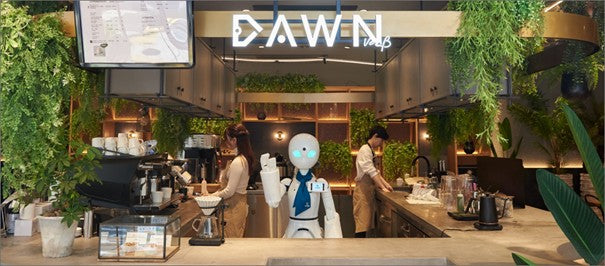
When people think of South Korea, they usually think of K-pop, K-dramas and skincare. But once you actually arrive in the country, something else hits you very fast:
Everyday life in Korea is extremely high-tech.
You see it not only in fancy office towers, but in normal daily things:
-
ordering coffee in a robot café
-
walking into an unmanned convenience store at midnight
-
tapping through kiosks and self-checkout screens in almost every restaurant and shop
If you’re used to traditional service or slower digital change, this can feel like you’ve stepped a few years into the future.
In this post, we’ll look at:
-
what robot cafés in Korea are actually like
-
how unmanned convenience stores work
-
why kiosks & self-checkout are everywhere
-
the pros and cons of this high-tech lifestyle for travelers
1. Everyday Korea: A Quiet Tech Revolution
South Korea is one of the most digitally connected societies in the world. Internet speeds are among the highest globally, smartphone penetration is huge, and contactless payments are normal even for tiny purchases.
But what really surprises visitors is how invisible and normal this tech feels:
-
You don’t see huge “futuristic” branding everywhere.
-
Instead, you notice small things: no staff at the café counter, no cashier at the convenience store, no paper menus in fast food chains.
For locals, this is just daily convenience. For travelers, it’s a mini culture shock – in a mostly positive way.
2. Robot Cafés: When Your Barista Is a Machine
What is a robot café?
A robot café is exactly what it sounds like: a place where robots prepare and sometimes serve drinks.
You’ll often see:
-
a robotic arm behind glass, moving cups between different stations
-
a screen or kiosk where you order and pay
-
your drink sliding out on a small tray, or a robot “car” bringing it to your table
Sometimes the robot has a cute name and a face on a screen, sometimes it’s just a functional robotic arm in a small booth.
How it works for customers
A typical robot café experience:
-
You order at a touchscreen kiosk – no human staff needed.
-
You pay by card or mobile.
-
The robot arm starts moving: grabbing cups, pressing espresso, adding milk and syrup.
-
A number appears on the screen when your drink is ready.
-
You pick it up from a window or tray – or a small serving robot drives it to your seat.
You can find robot cafés in:
-
big shopping malls and department stores
-
subway stations
-
office areas
-
some franchise coffee shops that added robot corners
Why Korea loves robot cafés
Robot cafés are popular because they:
-
reduce labour costs and staff shortages
-
offer consistent drink quality
-
are a fun “wow” factor for customers
-
fit Korean culture’s love for cute, smart gadgets
For tourists, they’re a cool way to experience “future café culture” – and they also make ordering a bit easier, because everything is done via screen instead of fast spoken Korean.
3. Unmanned Convenience Stores: Shopping With No Staff
What is an unmanned store?
An unmanned convenience store (sometimes called “smart store” or “AI store”) is a small shop that can run with little or no staff physically present.
You might see brands like CU, GS25 or 7-Eleven offering:
-
fully unmanned branches at night
-
hybrid branches (staff during the day, unmanned at night)
-
special “AI” or “smart” concept stores
How you enter and pay
The exact system varies, but the idea is similar:
-
You scan something at the door:
-
a QR code in an app
-
your credit/debit card
-
a transport card (like T-money), in some setups
-
-
The door unlocks, and you walk in.
-
Cameras and sensors track what you pick up (using weight sensors, RFID or smart shelves).
-
You either:
-
pay at a self-checkout kiosk before leaving, or
-
simply walk out and get charged automatically to the card/app you used to enter.
-
Some stores use face recognition or membership apps for locals. As a foreigner, it’s easier to look for unmanned stores that allow card or QR entry without a local app.
What you can buy
Unmanned convenience stores usually sell the same things you know from normal Korean convenience stores:
-
drinks (soft drinks, water, coffee, sometimes alcohol depending on rules)
-
snacks, instant noodles, triangle kimbap
-
small meals, desserts, ice cream, basic household items
They’re especially handy:
-
late at night when other shops are closed
-
in office areas
-
in buildings with student dorms or apartments
For solo travelers, this feels like having a 24/7 mini-supermarket that doesn’t care what time you come in or how long you browse.
4. Kiosks & Self-Checkout: Touchscreens Everywhere
Even more common than robot cafés or unmanned stores are kiosks and self-checkout machines. These are absolutely everywhere in Korea.
You’ll find kiosks in:
-
fast food chains (ordering only via screen)
-
fried chicken and burger shops
-
some BBQ and casual dining restaurants
-
cafés and dessert places
-
cinemas and some attractions
And self-checkout in:
-
supermarkets
-
convenience stores (manned or unmanned)
-
some clothing and lifestyle shops
The typical kiosk experience
-
You choose your language (often Korean / English, sometimes Chinese/Japanese).
-
You tap through categories (burgers, drinks, set menus).
-
Customize your order (size, toppings, options).
-
Pay by card or mobile.
-
Get a receipt with a number and wait for your number on the screen or speaker.
Why kiosks are everywhere
There are a few reasons:
-
It’s faster and more efficient during rush hours.
-
Staff can focus on cooking and preparation instead of taking orders.
-
Many Koreans are used to self-service touchscreens from an early age.
For travelers, the kiosk system is both a blessing and a challenge:
-
Blessing, because you don’t have to speak perfect Korean.
-
Challenge, because some kiosks have limited English options or short timers before the screen resets.
5. The Good and the Stressful: Pros & Cons for Travelers
Benefits of high-tech daily life in Korea
For most visitors, Korea’s tech-heavy lifestyle has clear advantages:
-
Faster service – less time waiting in line, more time enjoying your trip.
-
Less language stress – you can order with pictures and basic English, even if your Korean is minimal.
-
More independence – you don’t have to talk to staff if you’re shy or tired.
-
Great for solo travelers – robot cafés, kiosks and unmanned stores make doing things alone feel totally normal.
Possible downsides or challenges
But there are also some tricky points:
-
Interface overload – lots of buttons, options and time limits on screens.
-
Limited English – not all kiosks and apps are fully translated.
-
Payment issues – some machines don’t love foreign cards, especially if they are not credit cards.
-
Less human contact – if you enjoy chatting with staff or asking for recommendations, you might miss that.
Overall, though, once you get used to the system, many travelers say it feels like unlocking “easy mode” for daily life in a foreign country.
6. Practical Tips: How to Survive (and Enjoy) High-Tech Korea
To make robot cafés, unmanned stores and self-checkout your friends instead of your enemies, here are some practical tips:
6.1 Get a card that works well
-
Bring at least one major credit card (Visa/Mastercard) that supports contactless payments.
-
If possible, use a travel card with low foreign transaction fees.
-
Consider getting a local Korean transit or prepaid card (like T-money) for smaller purchases and public transport.
6.2 Always look for the language button
On kiosks and self-checkout screens:
-
Look for “언어” (language) or flags (🇺🇸 for English).
-
If there’s no English option, use Google Lens or another camera translation app to scan the screen.
6.3 Watch someone else first
If you’re confused:
-
Stand back for a moment and observe how locals use the machine.
-
Note which buttons they press, how they tap their card, where they pick up their food.
-
After seeing it once, it’s much less scary.
6.4 Use your phone as your best friend
-
Use translation apps for menus, labels and system messages.
-
Save Korean phrases like “영어 메뉴 있어요?” (“Do you have an English menu?”) if you need help.
-
Take photos of any important error messages so staff can see what went wrong.
6.5 Enjoy it as part of the experience
Instead of seeing kiosks and robots as a barrier, think of them as part of the Korea experience:
-
Taking videos of a robot barista making your latte
-
Filming a “day in my life with unmanned stores” vlog
-
Comparing “future Korea” with your home country when you go back
For many visitors, these small tech moments become some of the most memorable travel stories.
Final Thoughts: Living a Little Bit in the Future
Robot cafés, unmanned convenience stores and self-checkout kiosks are not sci-fi concepts in Korea – they’re just daily life.
If you visit, you’ll quickly realise:
-
buying a snack at midnight
-
grabbing a latte
-
ordering fried chicken
can all happen without speaking to a single person, if you want.
For some, that feels strange or cold. For others, it feels incredibly freeing and efficient. Either way, it’s a big part of what makes everyday life in Korea feel like you’re living slightly in the future.