

Cart
0
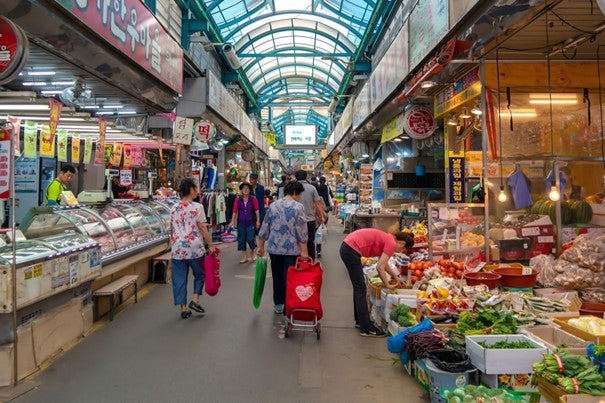
If you really want to feel Korea, go to a market hungry.
Seoul’s markets – like Gwangjang Market, Namdaemun Market, Myeongdong Street Food Alley and small neighbourhood stalls – are full of sizzling pans, bright red sauces and trays of freshly fried snacks.
In this Korean street food guide, we’ll look at 5 must-eat street foods you should try at least once:
- Hotteok (sweet filled pancakes)
- Tteokbokki (spicy rice cakes)
- Odeng/Eomuk (fish cake skewers)
- Kimbap (rice rolls)
- Twigim (Korean-style tempura)
Plus: where to find them and how to order without stress.
1. Hotteok (호떡) – Sweet, Crispy, Perfect for Cold Days
If you see a flat, round “pancake” being fried in lots of oil, that’s probably hotteok.
What it is
Hotteok is a sweet Korean pancake, usually:
- filled with brown sugar, cinnamon and chopped nuts or seeds
- fried until the outside is crispy and the inside is gooey and hot
There are also modern versions with green tea, cheese or even savoury fillings.
What it tastes like
- Crispy outside, soft and chewy dough
- Melted sugar syrup inside – careful, it’s hot!
- Sweet but not as heavy as a European cake
Where to find hotteok in Seoul
- Myeongdong street food stalls (especially in the evening)
- Namdaemun Market
- Smaller local markets in winter and autumn
Tip:
Eat it right away while it’s hot – but take small bites so you don’t burn your mouth.

2. Tteokbokki (떡볶이) – Spicy Rice Cakes in Red Sauce
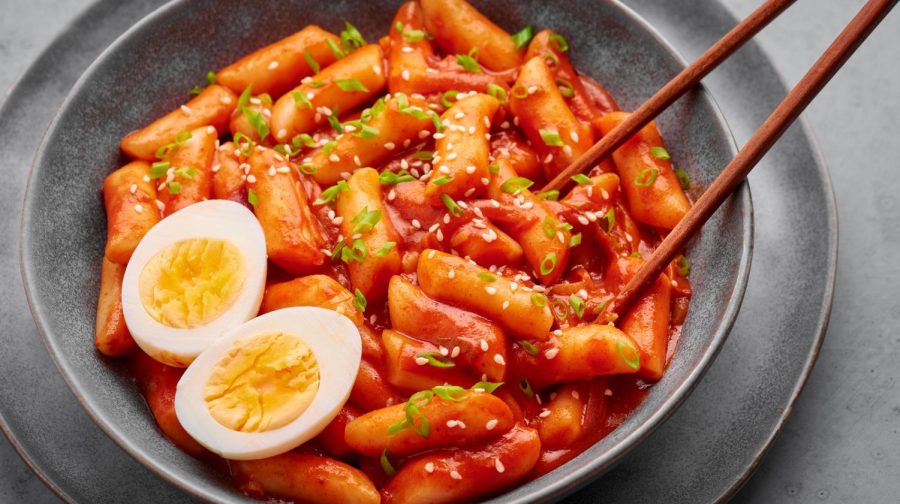
If you imagine Korean street food, you probably picture tteokbokki: rice cakes in a bright red sauce.
What it is
Tteokbokki is:
- cylindrical rice cakes (tteok)
- cooked in a thick, spicy-sweet gochujang (chili paste) sauce
- often served with fish cake slices, boiled egg or fried toppings
There are also non-spicy or cream-based versions, but the classic is red and a bit spicy.
What it tastes like
- The rice cakes are chewy and filling
- The sauce is sweet, salty and spicy at the same time
- Comfort food – especially on cold or rainy days
Where to find tteokbokki in Seoul
- Gwangjang Market – many ahjumma (auntie) stalls with big metal pans
- Namdaemun Market & Myeongdong street food
- Small snack shops called “bunsikjip” (분식집) near schools and subway stations
How to order:
Point at the pan and say:
“떡볶이 하나 주세요” (tteokbokki hana juseyo – one portion, please).
3. Odeng / Eomuk (오뎅 / 어묵) – Fish Cake Skewers in Hot Broth
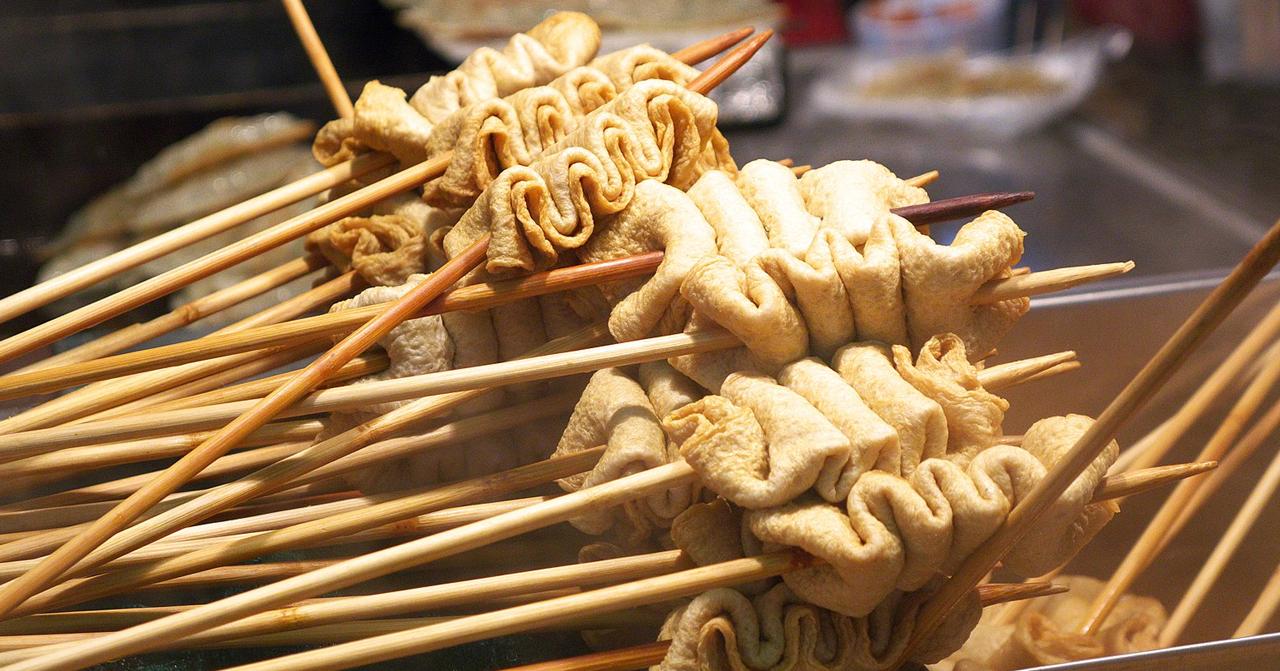
You’ll often see long skewers of something beige floating in a big metal pot with steaming broth – that’s odeng or eomuk.
What it is
Odeng/eomuk is:
- ground fish paste mixed with flour and seasonings
- shaped into thin sheets or sticks
- skewered and kept warm in a light, savoury broth
At stalls, you usually grab a skewer yourself and eat it standing, then tell the owner how many you had.
What it tastes like
- Soft, bouncy texture
- Mild, savoury fish flavour
- The broth is free to drink in many places and tastes light and comforting
Where to find odeng in Seoul
- Next to tteokbokki stalls almost everywhere
- Markets like Gwangjang, Namdaemun, Tongin Market
- Small street carts in residential areas, especially in winter
Tip:
Don’t be shy about drinking the broth from the metal cups – it’s part of the experience and helps balance spicy tteokbokki.
4. Kimbap (김밥) – Korea’s Grab-and-Go Rice Rolls
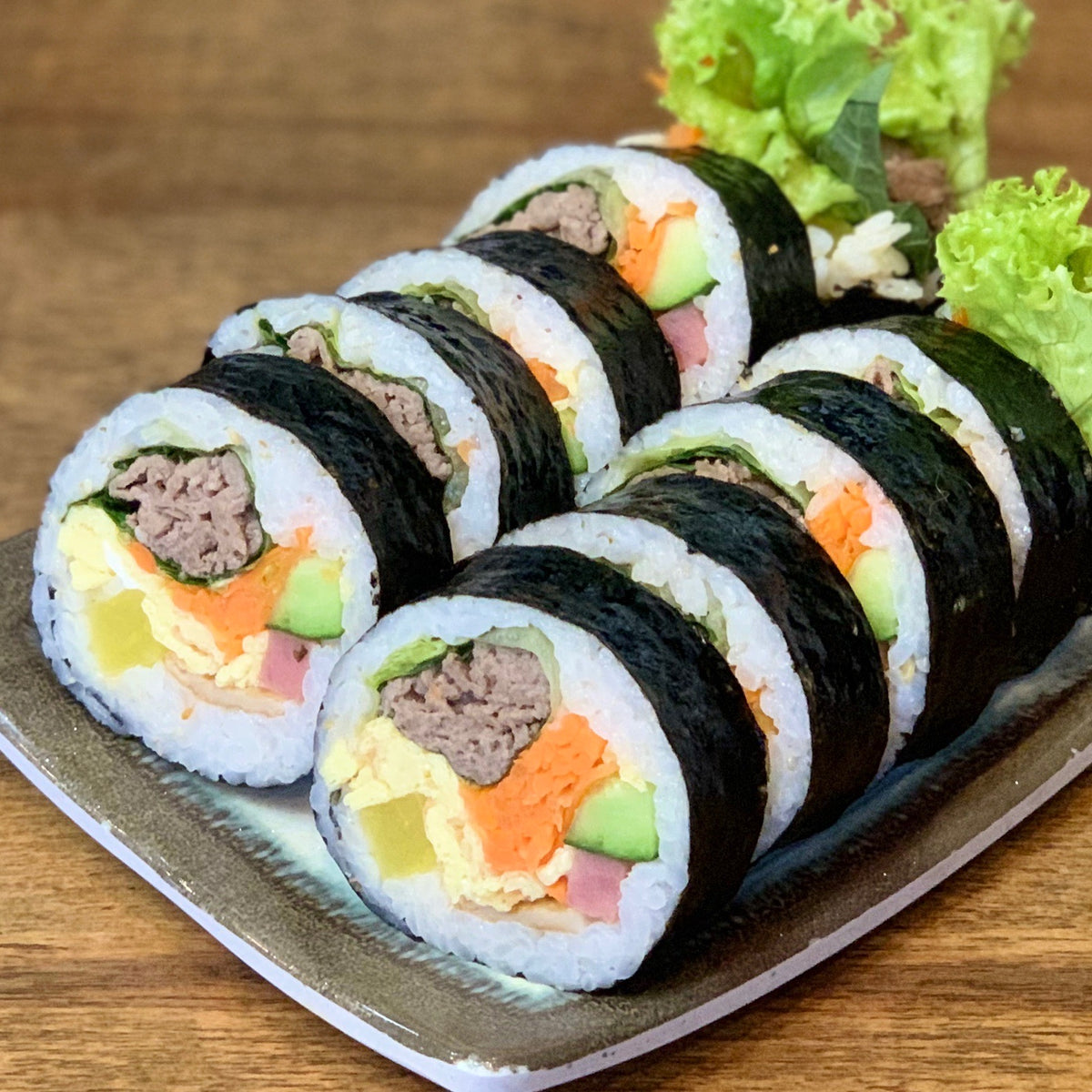
Kimbap looks a bit like sushi, but it’s definitely its own thing.
What it is
Kimbap is:
- rice seasoned with sesame oil (not vinegar)
- rolled with fillings such as carrot, spinach, pickled radish, egg, ham or tuna
- wrapped in seaweed and sliced into bite-sized pieces
There are many types: tuna mayo, cheese, bulgogi, vegetable, kimchi and more.
What it tastes like
- Light, savoury and slightly nutty from the sesame oil
- Not raw – most ingredients are cooked or pickled
- Easy to eat and not messy
Where to find kimbap in Seoul
- Gimbap chains (김밥천국 and similar) – cheap and everywhere
- Markets with ready-to-eat rolls
- Convenience stores – perfect for a quick snack or picnic at the Han River
Tip:
Kimbap is great if you need a non-spicy option or want something easy to carry while you explore.
5. Twigim (튀김) – Korean-Style Fried Snacks
If you see a stall with many different fried items (shrimp, dumplings, vegetables, seaweed rolls) – that’s twigim, Korean-style tempura.
What it is
Twigim includes:
- fried sweet potato, pumpkin, chili peppers
- fried dumplings (mandu), squid, shrimp
- gimmari (김말이) – glass noodles wrapped in seaweed and fried
You usually choose a few pieces, put them on a plate, and they’re often eaten together with tteokbokki sauce.
What it tastes like
- Crunchy outside, soft inside
- Not as light as Japanese tempura, but very satisfying
- Amazing when dipped into spicy tteokbokki sauce
Where to find twigim in Seoul
- Bunsikjip (snack shops) that sell tteokbokki
- Street stalls in Myeongdong, Namdaemun, Gwangjang Market
- Near schools and office areas as a quick snack
Tip:
Say: “튀김 조금씩 섞어 주세요” (twigim jogeum-ssik seokkeo juseyo – please mix a few pieces) if you want a small variety.
![1DAY 1KOREA : K-FOOD] Gochu Twigim Recipe with Chef Ryan - YouTube](https://i.ytimg.com/vi/A-_eCDfCcDs/hq720.jpg?sqp=-oaymwEhCK4FEIIDSFryq4qpAxMIARUAAAAAGAElAADIQj0AgKJD&rs=AOn4CLBoHFiYHuA0zKUZLYi3R_e1aqvMAQ)
Which Market Should You Visit First?
If you’re short on time in Seoul, here’s a quick guide:
- Gwangjang Market – best for foodies; famous for kimbap, bindaetteok (mung bean pancakes) and lots of tteokbokki/odeng stalls.
- Namdaemun Market – mix of street food, clothes and souvenirs; great for hotteok, tteokbokki and snacks.
- Myeongdong Street Food – perfect if you’re already shopping there in the evening; lots of hotteok, skewers and creative snacks.
Tips for Enjoying Korean Street Food Like a Local
- Bring cash – many small stalls still prefer cash, even if Korea is very card-friendly overall.
- Share plates – street food is perfect for sharing with friends so you can taste more things.
- Start mild, then go spicy – if you’re not used to Korean spice, begin with kimbap and odeng, then level up to tteokbokki and twigim with sauce.
- Watch what locals do – how they order, where they stand, how they pay. It’s the easiest way to learn the “rules” without speaking much Korean.