

Cart
0
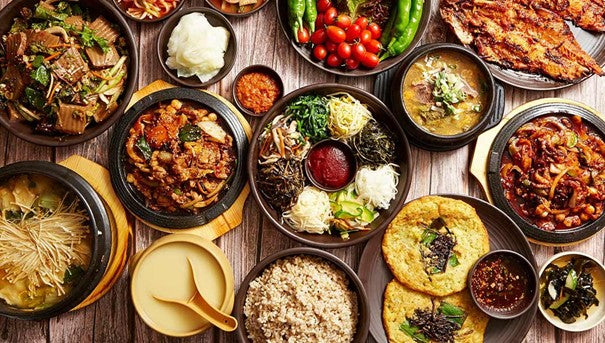
A gentle guide if you’re scared of gochujang
When many people think of Korean food, they picture bright red sauces, flaming hot stews and tears in their eyes from too much chili.
Yes, spicy food is a big part of Korean cuisine – but it’s not the whole story.
If you don’t like spicy food (or your stomach doesn’t), you can still enjoy tons of delicious Korean dishes that are:
-
mild
-
comforting
-
beginner-friendly
-
easy to love even if you’re new to Asian food
This guide will show you:
-
how to say “not too spicy” in simple Korean
-
which dishes to look for as a beginner
-
how to order them in a restaurant
Let’s start with the basics.
How to Ask for “Not Spicy” in Korean
Even if a dish is usually mild, some restaurants still add a bit of chili. These phrases help you survive:
-
“Not spicy, please.”
→ “An maeu-ge hae juseyo.” (안 맵게 해 주세요.) -
“Please make it only a little spicy.”
→ “Jogeum-man maeu-ge hae juseyo.” (조금만 맵게 해 주세요.)
You can also say:
-
“I can’t eat spicy food.”
→ “Maeun ge mot meogeoyo.” (매운 거 못 먹어요.)
Screenshot these lines on your phone and show them to the staff – they’ll usually try their best to help.
1. Kimbap (김밥) – Korea’s Answer to a Sandwich
If you’re nervous about Korean food, start here.
Kimbap looks a bit like sushi, but:
-
the rice is seasoned with sesame oil, not vinegar
-
the fillings are cooked or pickled (no raw fish required)
Common fillings:
-
egg, carrot, spinach, pickled radish
-
tuna mayo, cheese, ham, crab stick, bulgogi
Why it’s beginner-friendly:
-
Mild, familiar flavours
-
Easy to eat with your hands or chopsticks
-
Great for breakfast, lunch or a quick snack
How to order:
Look for “김밥” on the menu and try:
-
Chamchi kimbap (참치 김밥) – tuna mayo rolls
-
Cheese kimbap (치즈 김밥) – extra soft & kid-friendly
-
Yachae kimbap (야채 김밥) – mostly vegetables
:max_bytes(150000):strip_icc()/__opt__aboutcom__coeus__resources__content_migration__serious_eats__seriouseats.com__2020__01__20200122-gimbap-vicky-wasik-24-f5ed1075f35846a29e0812ee053a1bf8.jpg)
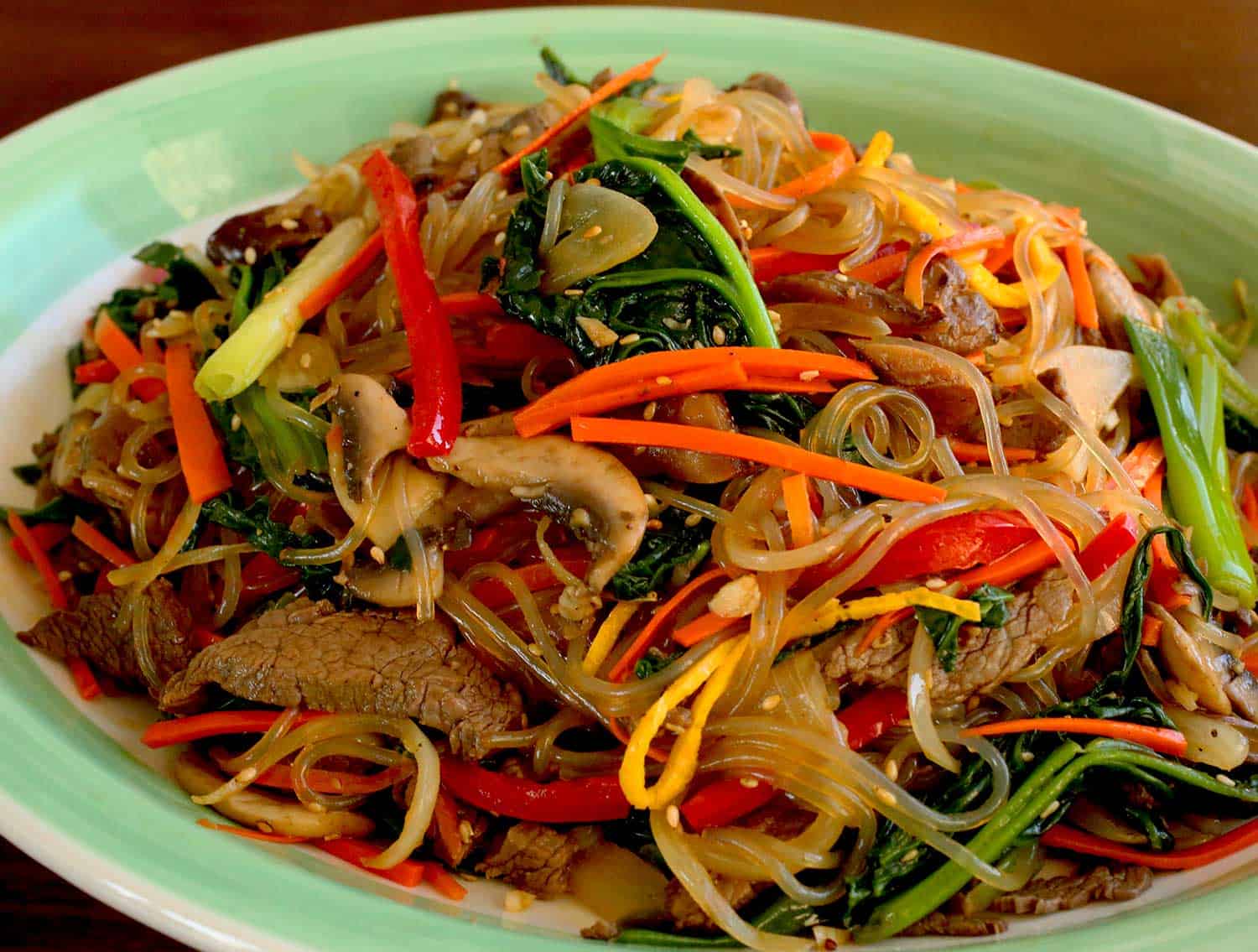
2. Japchae (잡채) – Glass Noodles with Vegetables
Japchae is a classic Korean party dish and a safe choice for beginners.
It’s made from:
-
chewy sweet potato glass noodles
-
stir-fried vegetables (carrot, spinach, onion, mushrooms)
-
often some beef or egg
-
a soy sauce–based, slightly sweet seasoning
Why it’s great for non-spicy eaters:
-
Usually 0% chili – just savoury and slightly sweet
-
Texture is fun (bouncy noodles), flavour is gentle
-
Easy to share as a side or eat as a main
If you’re ordering multiple dishes, japchae is a perfect “comfort zone” plate on the table.
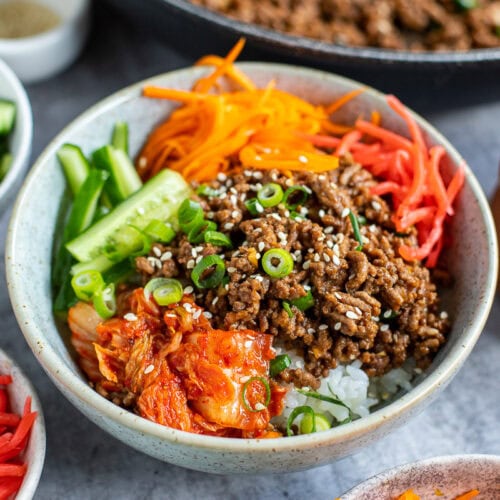
3. Bulgogi (불고기) – Sweet Soy-Marinated Beef
Bulgogi literally means “fire meat” – but don’t worry, it’s not about chili.
Thin slices of beef are:
-
marinated in soy sauce, sugar, garlic, sesame oil and onion
-
then grilled or pan-fried
Flavour profile:
-
sweet, savoury, garlicky
-
no burning spice, just a tiny warmth from pepper (if any)
Bulgogi is often served with rice and lettuce leaves so you can make your own wraps.
Pro tip:
If the menu has bulgogi dosirak or bulgogi deopbap, that means bulgogi served over rice in a bowl or tray = easy, filling meal.
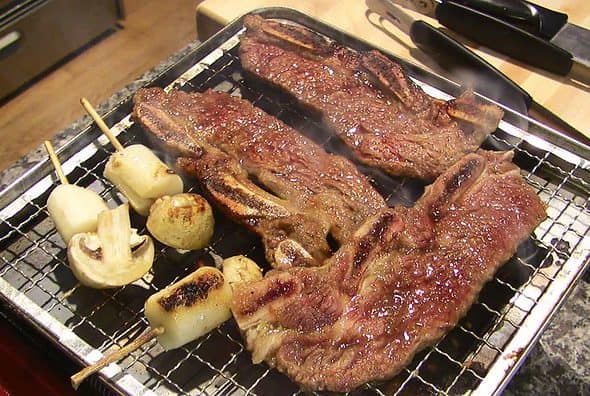
4. Galbi (갈비) – Marinated Grilled Ribs
If you want to try Korean BBQ without suffering, galbi is your friend.
Types:
-
Sogalbi (소갈비) – beef ribs
-
Dwaeji galbi (돼지갈비) – pork ribs
The marinade is similar to bulgogi:
-
soy sauce, garlic, sugar, sesame oil
-
sometimes a little fruit (pear, apple) for sweetness
Why beginners love it:
-
Feels like classic BBQ
-
Rich, slightly sweet, very satisfying
-
You control how much sauce you add afterwards
At BBQ restaurants, you usually grill it at your table. Just tell the staff you prefer “not spicy marinade” if there are options.
5. Mandu (만두) – Korean Dumplings
Mandu are Korean dumplings that can be:
-
steamed
-
boiled
-
fried
Typical fillings:
-
minced meat
-
tofu
-
glass noodles
-
vegetables
Sauce on the side is usually soy sauce with a bit of vinegar and sesame oil – you can dip as much or as little as you want.
Beginners’ favourites:
-
Gun-mandu (군만두) – fried dumplings (crispy)
-
Jjin-mandu (찐만두) – steamed dumplings (soft and juicy)
Most mandu themselves are not spicy – the only spicy element might be a little chili in the dipping sauce, which you can skip.

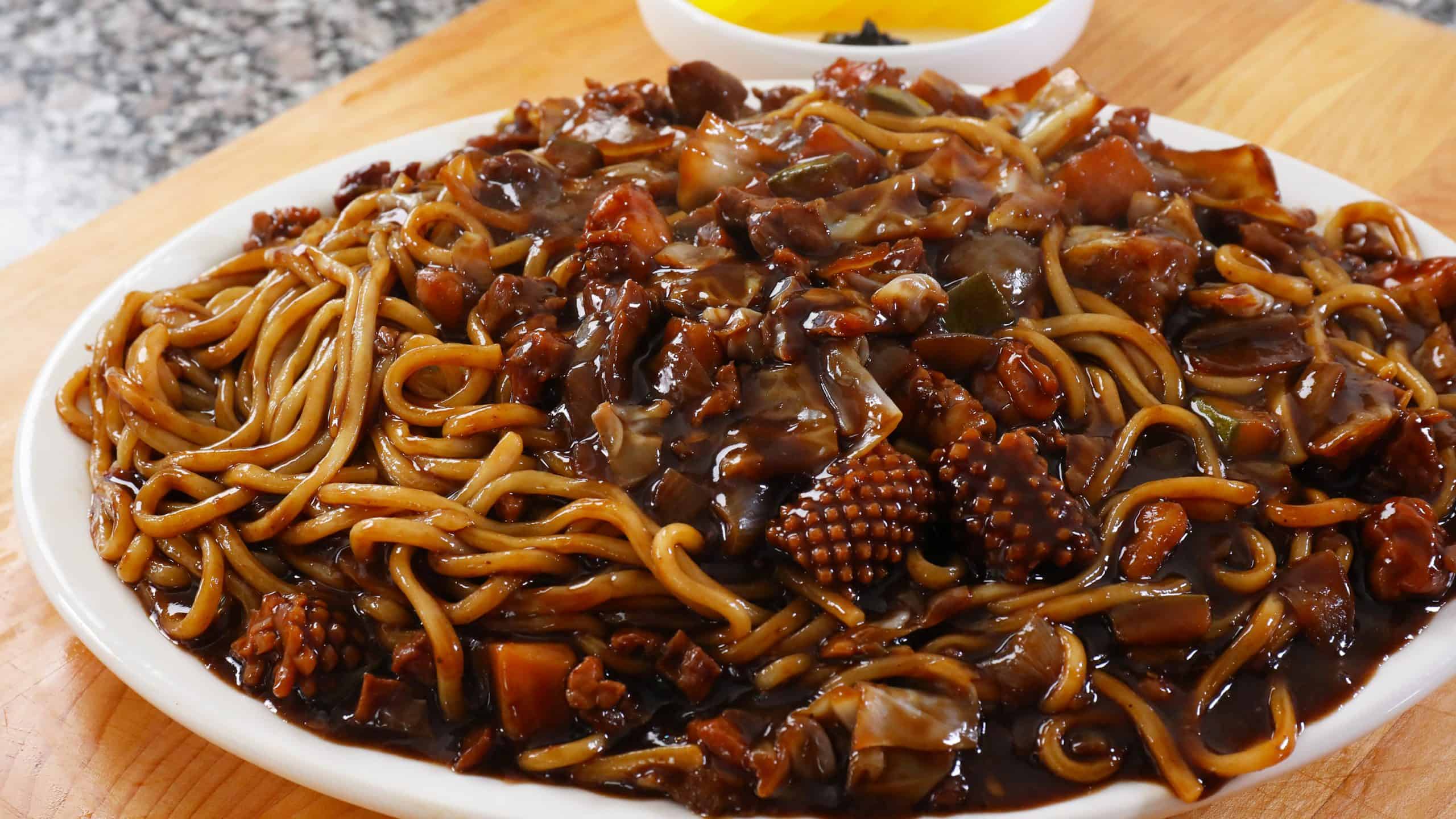
6. Jjajangmyeon (짜장면) – Black Bean Noodles
Jjajangmyeon is technically Korean-Chinese cuisine, but it’s extremely popular and perfect if you’re afraid of chili.
What it is:
-
thick wheat noodles
-
topped with a black bean sauce made from chunjang (black bean paste)
-
with diced pork and vegetables (onion, zucchini, potato)
Taste:
-
savoury, slightly sweet, rich
-
no heat – the dark colour is bean, not chili
It’s a classic comfort food, especially for delivery, and a good choice if you want something filling but not spicy.
7. Mild Korean Soups & Stews (Jjigae)
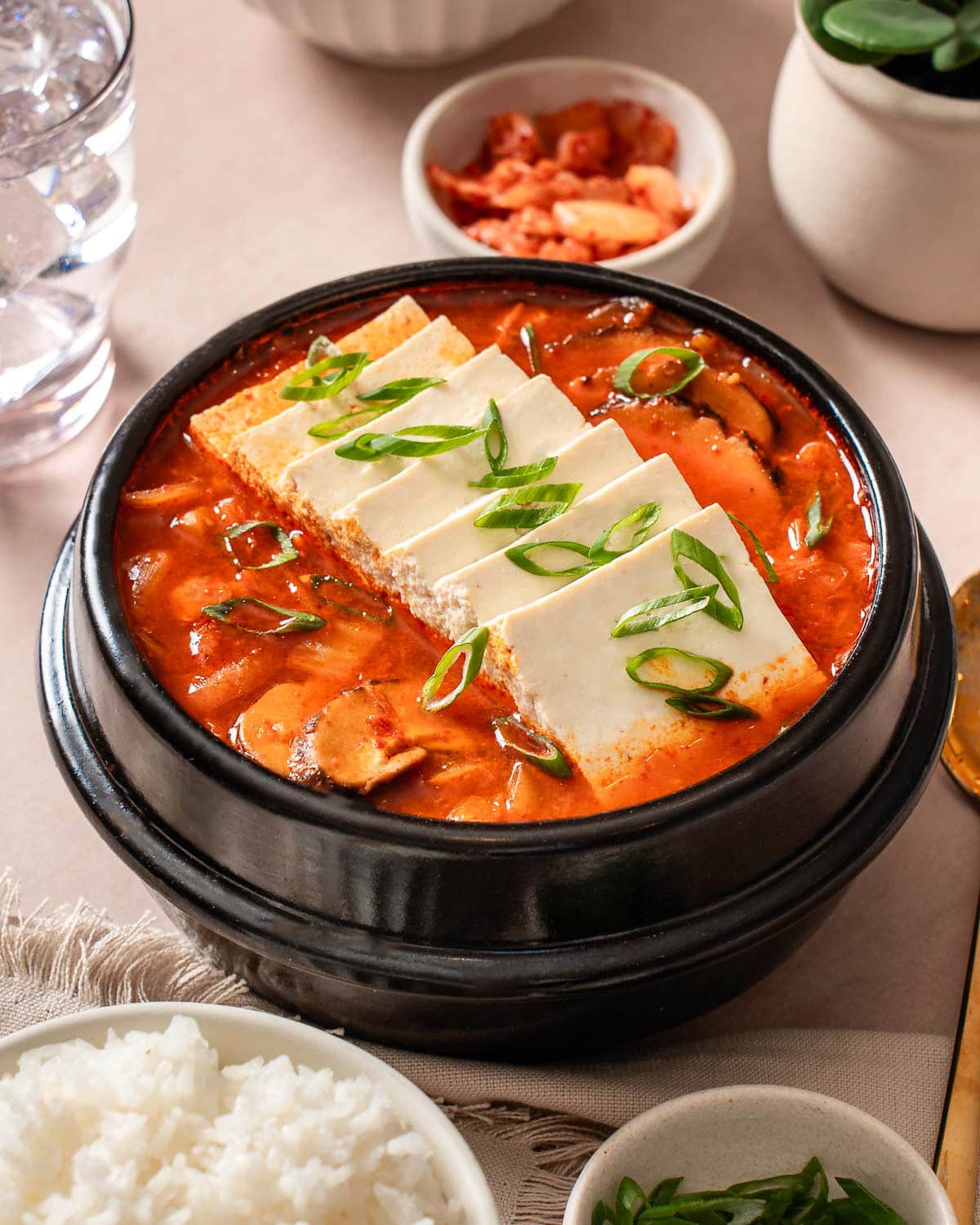
Many famous Korean stews are spicy (like kimchi jjigae), but there are also mild options.
7.1 Doenjang Jjigae (된장찌개) – Soybean Paste Stew
This one can be spicy, but doesn’t have to be. It’s made with:
-
doenjang (fermented soybean paste, similar to miso)
-
tofu
-
vegetables
-
sometimes potatoes or mushrooms
If you ask for “an maeu-ge” (not spicy), some places can make it with less or no chili.
7.2 Seolleongtang (설렁탕) – Milky Beef Bone Soup
This is very mild.
-
Long-simmered beef bone soup
-
Cloudy white broth
-
Slices of beef and sometimes noodles or rice
You season it yourself at the table with salt, pepper, and chopped green onion, so you control the flavour and spice level.
7.3 Samgyetang (삼계탕) – Ginseng Chicken Soup
A whole small chicken stuffed with rice, garlic and jujube, cooked in a clear broth with ginseng.
-
Comforting, mild, slightly herbal
-
Popular in summer, but good any time of year
-
No chili by default
If you want a gentle Korean soup, these are safer than the bright red ones.
8. Egg & Rice Dishes: The Safest of the Safe
If your stomach is very sensitive, or it’s your first meal after landing, these dishes are extra soft and mild.
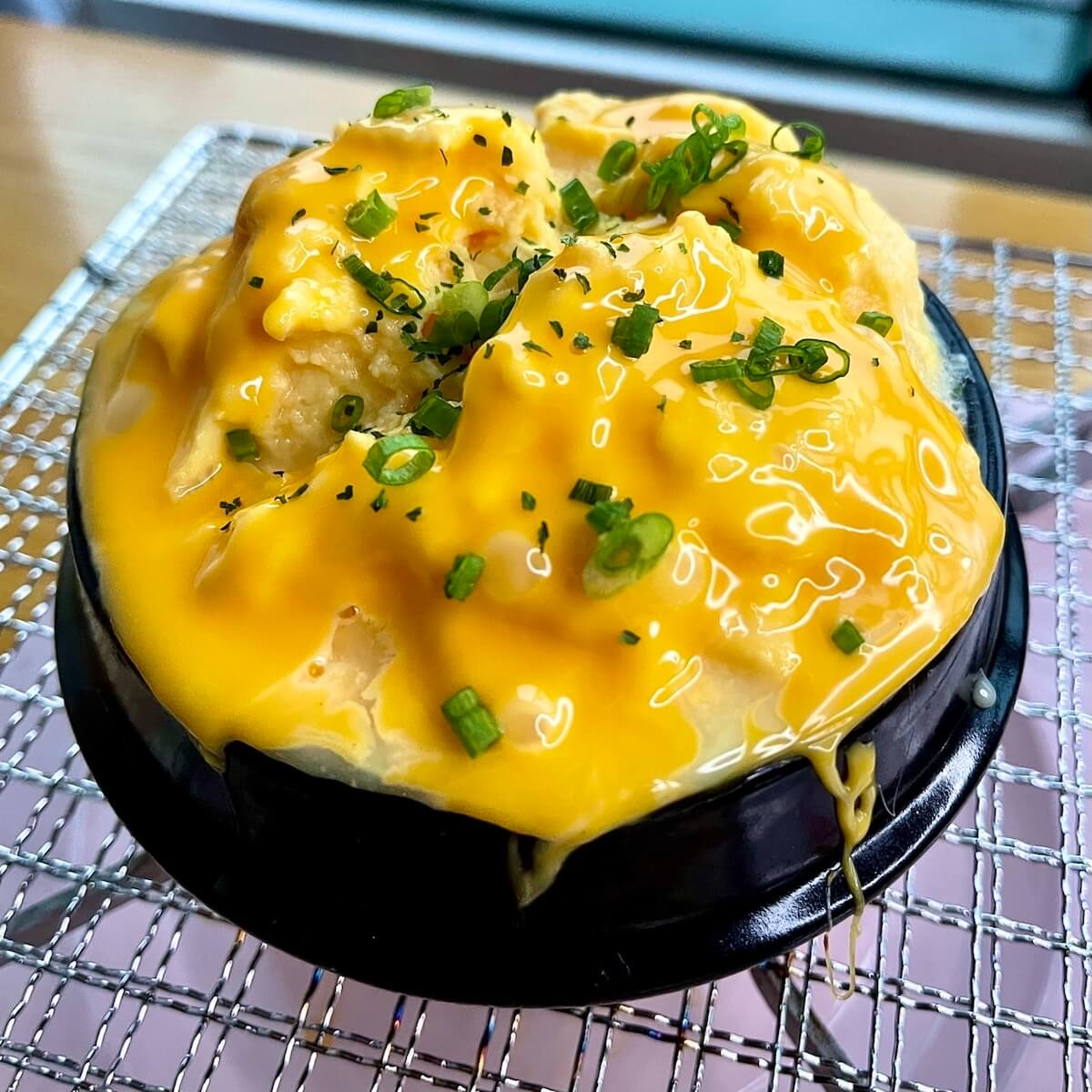
8.1 Gyeran-jjim (계란찜) – Steamed Egg
A fluffy steamed egg custard served hot in a small pot.
-
Very soft
-
Very mild
-
Often comes as a side dish in BBQ restaurants
8.2 Gyeran-mari (계란말이) – Rolled Omelette
A rolled egg omelette, sometimes with vegetables or cheese inside.
-
Easy to love
-
Great for kids and spice-phobic adults
8.3 Simple Rice & Egg Bowls
If you ask, some places can make:
-
Fried egg on rice with soy sauce and sesame oil
-
Or a very mild bibimbap with the chili paste on the side
Tip:
For bibimbap, just say:
-
“Gochujang on the side, please.”
→ “Gochujang byeonjeore juseyo.” (고추장은 따로 주세요.)
Then you can add just a tiny bit or skip completely.
9. Mild Banchan (Side Dishes) to Look For
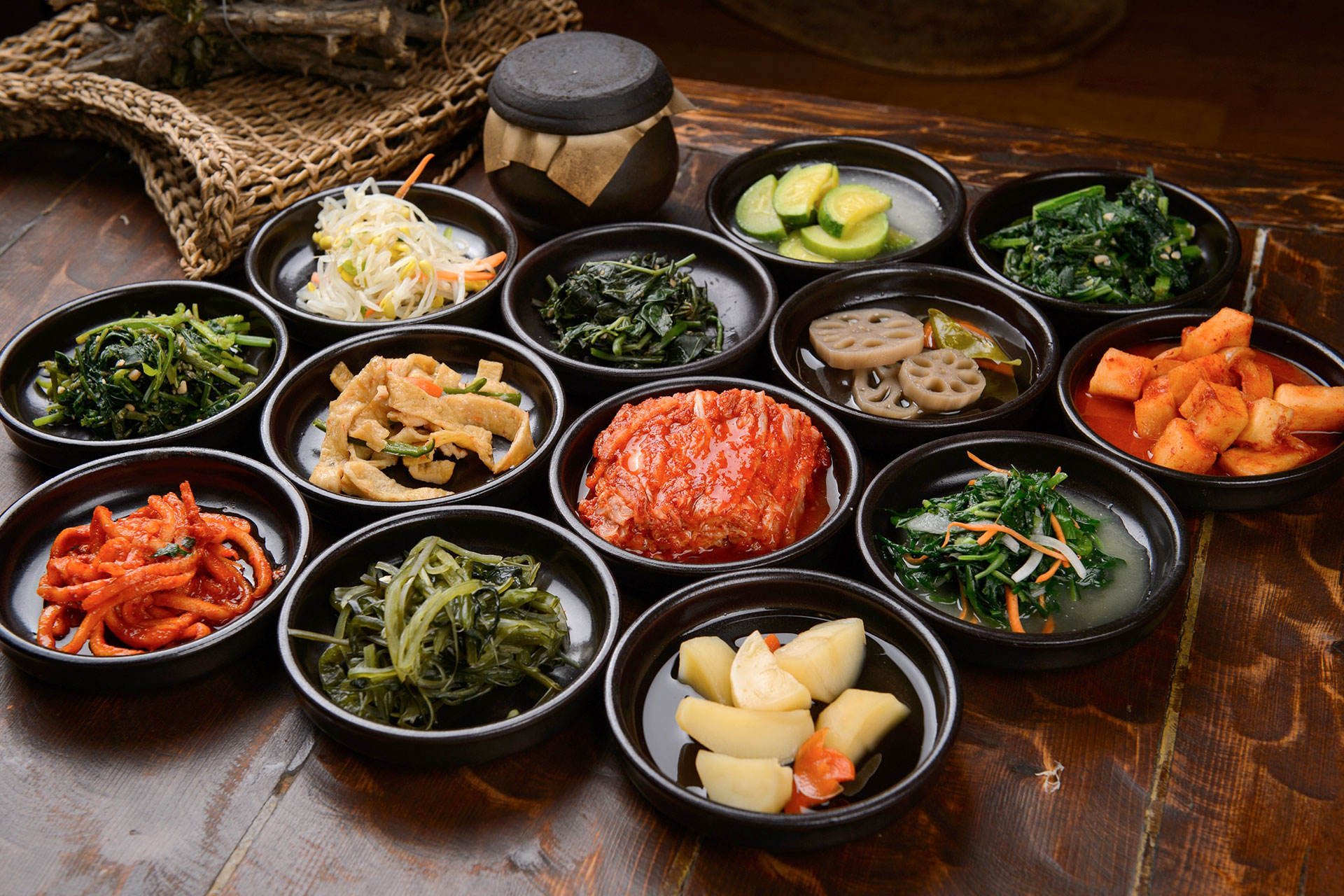
Korean meals often come with small side dishes called banchan. Some are spicy, but many are not.
Mild banchan you might enjoy:
-
Sigeumchi namul (시금치나물) – seasoned spinach
-
Kongnamul (콩나물) – seasoned bean sprouts
-
Gamja jorim (감자조림) – soy-braised potatoes
-
Oi muchim without chili – dressed cucumber (sometimes spicy, sometimes not)
You usually don’t choose banchan; they come automatically, and you can taste what looks least red 🌶️.
10. How to Order If You Don’t Like Spicy Food
Here’s a simple strategy when you go to a Korean restaurant as a beginner:
-
Look for non-red dishes
Photos and menu pictures help – brown, beige, clear soups are usually milder than fire-red stews. -
Use one polite sentence
“I can’t eat spicy food. Not spicy, please.”
“Maeun ge mot meogeoyo. An maeu-ge hae juseyo.” -
Start with 1–2 safe dishes
-
Kimbap
-
Japchae
-
Bulgogi or galbi
-
Mandu
-
Jjajangmyeon
-
-
Add a soup or banchan
If you feel brave, try a mild stew or soup on the side. -
Experiment slowly
Once you find what you like, you can try slightly spicier dishes (like tteokbokki) next time.
Final Thoughts: You Don’t Need to Love Spice to Love Korean Food
Korean cuisine is much more than “red and spicy”. For beginners, there are plenty of dishes that are:
-
mild
-
balanced
-
full of umami and depth
-
easy to enjoy even if you usually eat very simple European food
If you’re new to Korean food, start with:
-
Kimbap, japchae, bulgogi, galbi, mandu, jjajangmyeon, seolleongtang and gyeran-jjim.
Then, when you feel ready, you can slowly explore the spicier side of Korean cuisine – one chili flake at a time.