

Cart
0
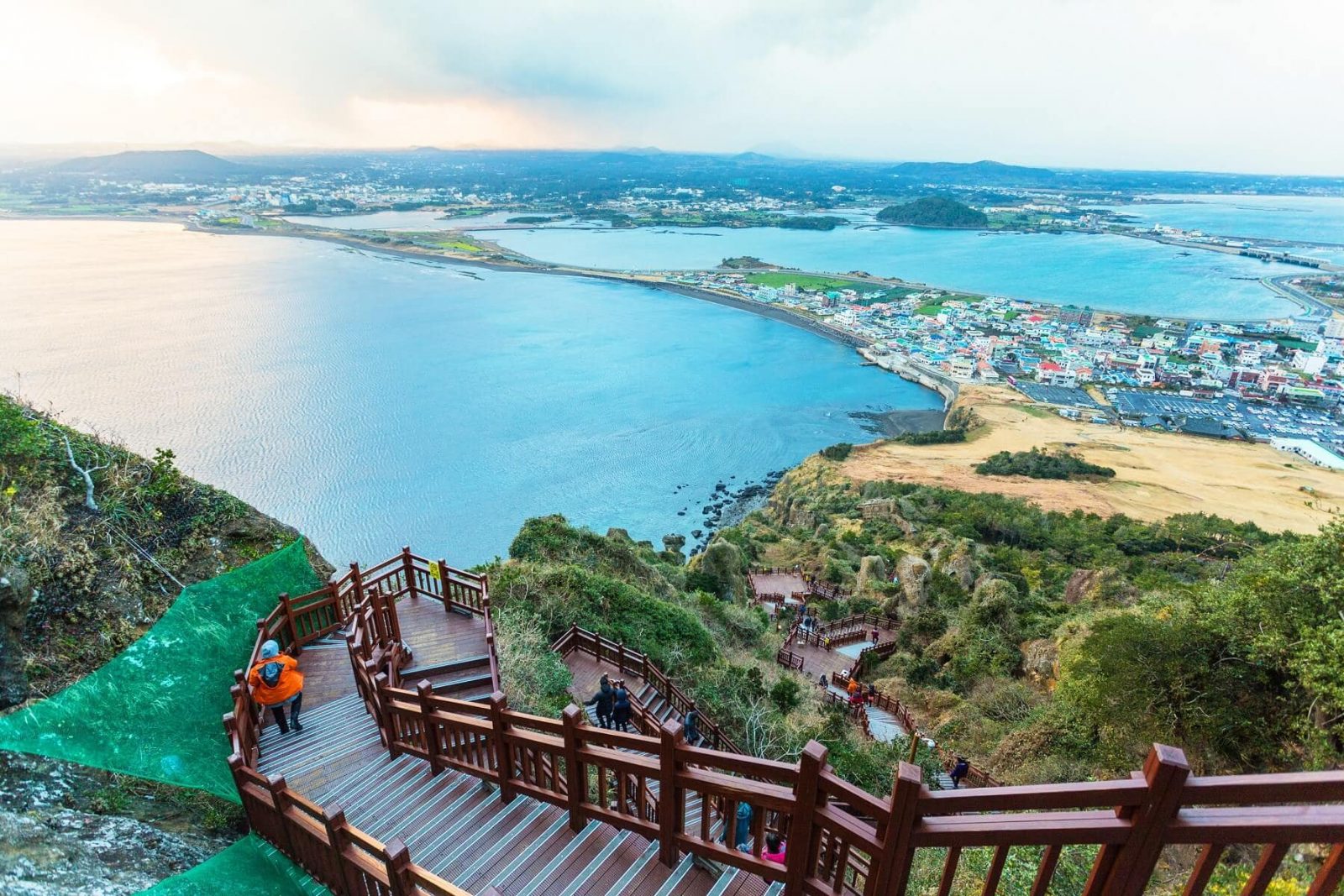
Jeju Island is often called the “Hawaii of South Korea” – and for good reason. This volcanic island is full of dramatic cliffs, turquoise beaches, waterfalls, lava caves and tangerine farms. It’s also a UNESCO World Natural Heritage site thanks to its unique volcanic landscape and lava tubes.
If you’re planning to visit Korea and want a break from the big city, Jeju is the perfect escape. In this guide, you’ll find:
- What makes Jeju special
- The must-see attractions (Hallasan, Seongsan Ilchulbong, beaches, waterfalls…)
- When to go & how long to stay
- Simple tips for first-time visitors
What Makes Jeju Island Special?
Jeju is not just a beach destination. It’s a volcanic island formed around 1.8 million years ago, with:
- Hallasan Mountain in the center (the highest peak in South Korea)
- Over 360 smaller volcanic cones, called oreum
- A network of lava tubes and caves, formed by flowing lava
- Cliffs, waterfalls and black rock coastlines
Because of this, Jeju Volcanic Island and Lava Tubes are listed as a UNESCO World Heritage Site.
On top of the nature, there’s also:
- A unique local culture and dialect
- The famous haenyeo – women free divers who collect seafood
- Fresh tangerines, black pork, abalone and other Jeju food specialties
Top Things To Do on Jeju Island
You could easily spend a week on Jeju, but even 2–3 days are enough to see the highlights. Here are the main attractions to put on your list.
1. Hike (or at Least See) Hallasan Mountain
Hallasan is the heart of Jeju – a dormant volcano rising in the center of the island. At 1,947 m, it’s the highest mountain in South Korea and a national park with several hiking trails.
Why go:
- Beautiful forest paths, volcanic rock formations and seasonal flowers
- On clear days, views across the island and ocean
- A lake-filled crater at the very top (on certain trails)
Popular trails:
- Seongpanak Trail – longer but more gradual, to the summit
- Gwaneumsa Trail – steeper, also leading to the summit
You don’t have to reach the top to enjoy Hallasan. Even a shorter walk gives you a taste of Jeju’s wild nature.
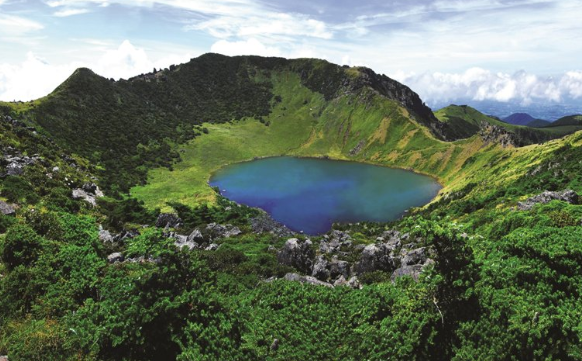
2. Watch the Sunrise at Seongsan Ilchulbong (Sunrise Peak)
On the eastern side of Jeju, a huge volcanic cone rises out of the sea: Seongsan Ilchulbong, also called Sunrise Peak. It’s part of the Jeju Volcanic Island UNESCO listing.
What to expect:
- A short but steep hike (around 20–30 minutes up stairs)
- A large crater at the top with views of the ocean and coastline
- Especially popular at sunrise when the sky and crater rim glow
You can also explore the small town below, visit the nearby coast and sometimes see haenyeo (women divers) performing shows or selling fresh seafood.

3. Explore Jeju’s Lava Tubes and Caves
One of the most unique things about Jeju is its lava tube system – tunnels formed by flowing lava under the surface. Geomunoreum Lava Tube System is considered one of the finest examples in the world.
The most famous cave open to visitors is:
-
Manjanggul Cave – a long, cool lava tube with impressive rock formations and lava “stalactites”.
It’s a great place to escape the heat in summer and to see the geological side of Jeju.

4. Relax on Jeju’s Beaches
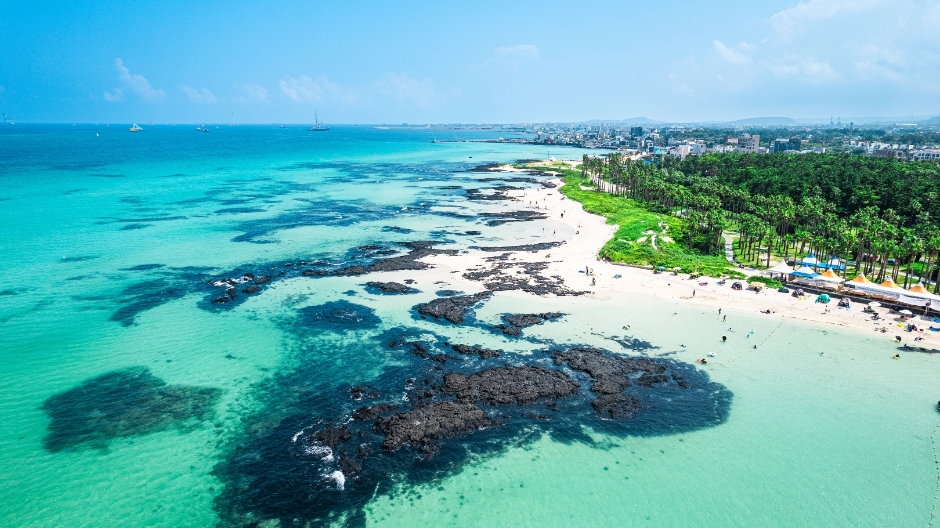
Jeju’s beaches are very different from the mainland – many have white or golden sand, turquoise water and black volcanic rocks.
Some popular beaches include:
- Hyeopjae Beach – white sand + emerald water, great for photos and sunsets
- Geumneung Beach – next to Hyeopjae, very scenic with shallow turquoise water and volcanic rocks
- Gwakji Beach – known for clear water and a local feel
- Hamdeok Beach – family-friendly with calm water and cafés nearby
Each beach has its own vibe: some are better for swimming, others for walking, photography or watching the sunset.
5. Chase Waterfalls Around Seogwipo
On the southern coast, near the city of Seogwipo, you’ll find several famous waterfalls:
- Cheonjiyeon Falls – a short walk through a lush park to a wide waterfall
- Cheonjeyeon Falls – a series of three waterfalls, reached over Seonimgyo Bridge (“Bridge of the Seven Nymphs”)
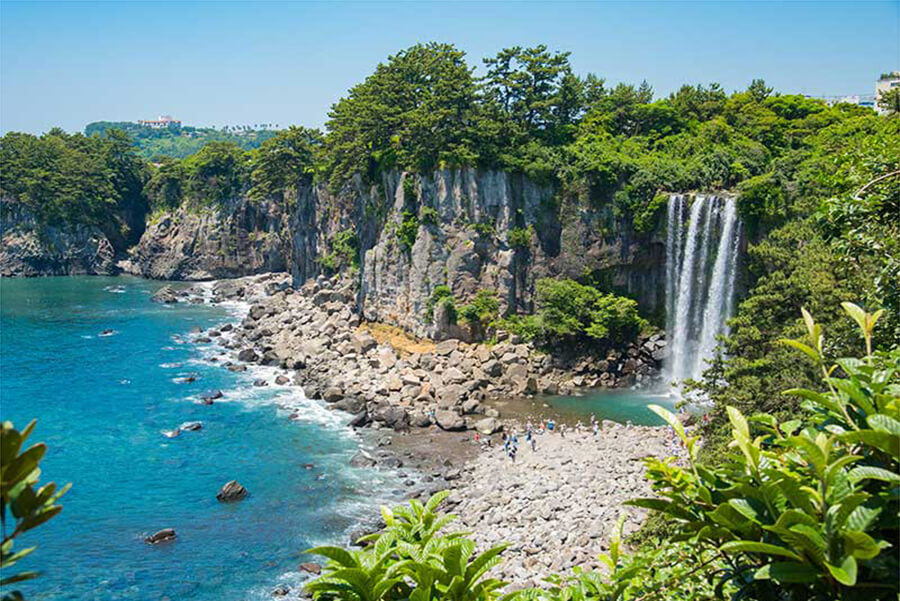
- Jeongbang Falls – one of the few waterfalls in Asia that falls directly into the sea
These spots are easy to access and perfect if you like short walks instead of long hikes.
6. Walk (a Part of) the Jeju Olle Trail
The Jeju Olle Trail is a network of coastal and countryside walking routes that circle the island – more than 400 km in total. Doing all of it would take around 2 weeks, but you can simply choose one or two sections for a day walk.
Why it’s worth it:
- You see quiet parts of Jeju away from big tour buses
- Trails go through villages, farmland, cliffs and beaches
- Great if you enjoy slow, mindful travel
Look up the route maps on the official Jeju tourism site and pick a section that matches your fitness level and location.

7. Meet Jeju’s Haenyeo (Women Divers)
The haenyeo are Jeju’s legendary women divers, many of them middle-aged or older, who dive without oxygen tanks to collect seafood like abalone, sea urchins and seaweed.
You can:
- See them at certain coastal spots and small stalls by the sea
- Visit Haenyeo museums that explain their culture and history
- Sometimes watch live demonstrations near Seongsan Ilchulbong or specific beaches
Their culture is recognized by UNESCO as Intangible Cultural Heritage and is a powerful symbol of Jeju’s identity.
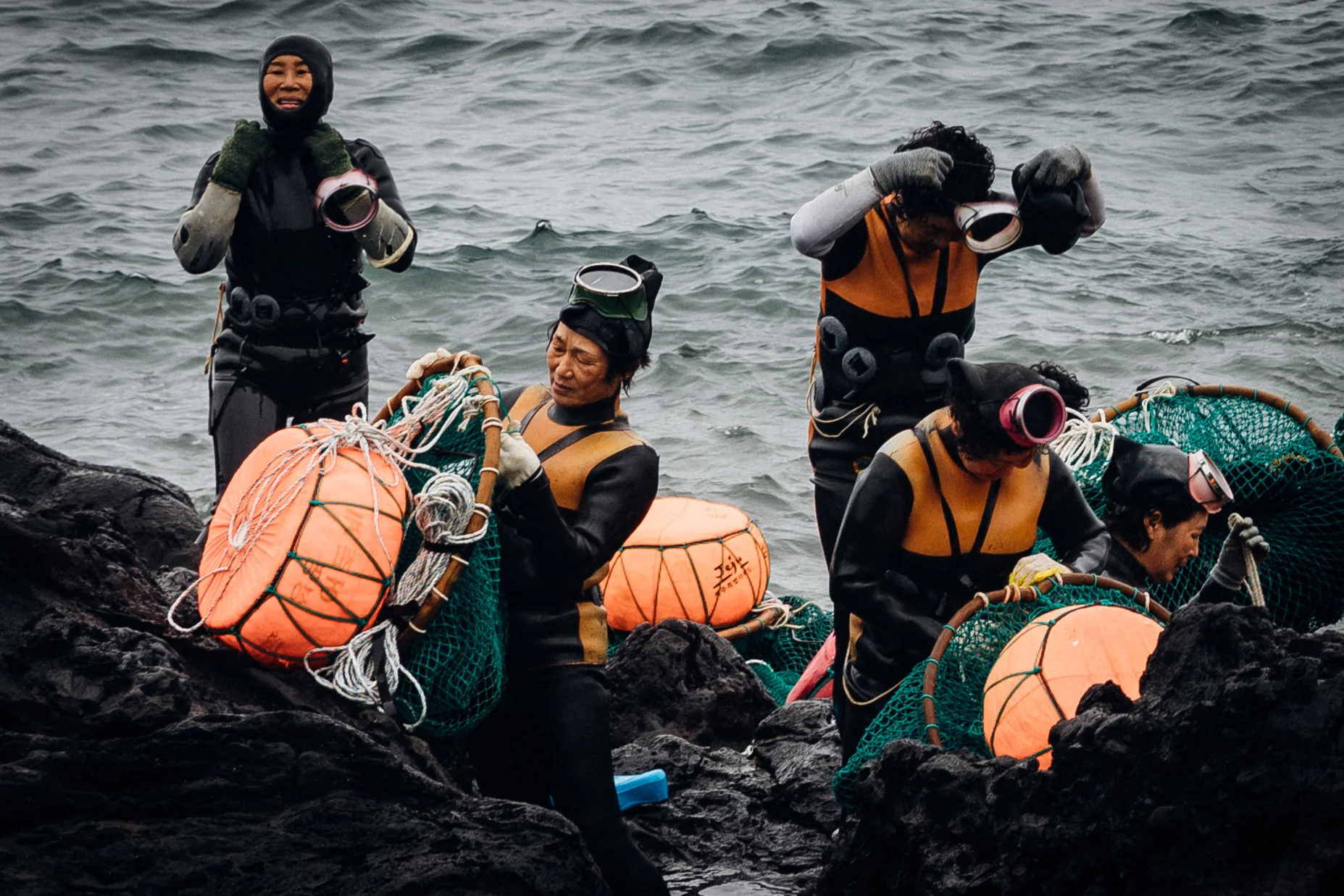
8. Enjoy Jeju’s Local Food
Food on Jeju is all about fresh seafood and local produce.
Some things to try:
- Jeju black pork (heuk-dwaeji) – often grilled as Korean BBQ
- Abalone porridge (jeonbokjuk) – comforting rice porridge with abalone
- Fresh tangerines (gamgyul) – Jeju is famous for its citrus
- Seafood stews and grilled fish at coastal restaurants
Many restaurants highlight “Jeju-style” versions of Korean classics – look for signs with “제주” in the name.

When to Visit Jeju Island
You can visit Jeju all year, but the experience changes by season:
- Spring (April–May): Mild weather, flowers, good for hiking and beaches (not too hot).
- Summer (June–August): Hot and humid, best for swimming and beach days, but also typhoon risk.
- Autumn (September–November): Often the best mix – clear skies, warm days, autumn colours on Hallasan.
- Winter (December–March): Cooler, sometimes snow on Hallasan, fewer crowds.
If you want both hiking and beaches, late spring or early autumn are ideal.
How Many Days Do You Need on Jeju?
- 2–3 days: Quick taste – one day east (Sunrise Peak + Manjanggul), one day south (waterfalls + Seogwipo), maybe one beach/hallasan view.
- 4–5 days: More relaxed – add Hallasan hike, extra beaches and an Olle trail section.
- 1 week or more: Perfect if you like slow travel, want to explore small villages, Udo Island, more oreum hikes and multiple beaches.
Practical Tips for First-Time Visitors
-
Getting there:
-
Jeju has its own airport with frequent domestic flights from Seoul, Busan and more, plus some international connections.
-
-
Getting around:
-
Renting a car is the easiest way to explore freely.
-
Public buses exist but can be slow; plan ahead with maps and schedules.
-
-
Where to stay:
-
Jeju City (north) – good for arrival/departure, nearby beaches, day trips.
-
Seogwipo (south) – better for waterfalls, coastal scenery and a slightly more relaxed feel.
-
-
Weather:
-
Bring layers – even in summer, caves and evenings can be cool, and weather changes fast on the mountain.
-
Final Thoughts: Why Jeju Is Worth Adding to Your Korea Trip
Jeju Island feels like a completely different side of South Korea:
- Instead of skyscrapers: volcanoes, cliffs and lava caves
- Instead of crowded subways: coastal trails and small fishing villages
- Instead of only city lights: sunsets over black rocks and turquoise sea