

Cart
0
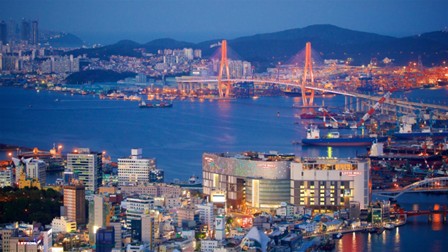
When people plan a trip to South Korea, Seoul usually comes first. But if you skip Busan, you miss a very different side of the country: golden beaches, dramatic cliffs, colorful hillside villages and some of the best seafood in Korea.
Busan is South Korea’s second-largest city with around 3.3–3.4 million people, and it’s also the country’s main port and trading hub. Surrounded by mountains and the sea, Busan feels more relaxed than Seoul while still offering big-city energy, nightlife and culture.
This Busan travel guide will walk you through the most beautiful places in Busan – from beaches and skywalks to temples and food markets – and help you understand why this coastal city deserves a spot on your Korea itinerary.
1. Busan at a Glance: Korea’s Coastal Powerhouse
Busan stretches along Korea’s southeast coast, squeezed between the Nakdong River, steep hills and the open sea. Many districts sit in narrow valleys separated by mountains, giving the city a layered, dramatic skyline.
A few quick facts:
-
2nd largest city in South Korea
-
Major port and logistics hub in Northeast Asia
-
Known as the “summer capital” thanks to its many beaches
-
Recognised as a UNESCO “City of Film” and home to the famous Busan International Film Festival (BIFF)
-
Mix of high-rise districts (like Centum City, home to the world’s largest department store) and older, traditional neighborhoods
What makes Busan special is how easily you can switch between:
-
busy urban streets
-
quiet mountain trails
-
seaside cafés
-
and historic temples
all in the same day.
2. Busan’s Beaches: Why It’s Called the “Summer Capital”
Busan has six main beaches, and they are the reason many Koreans see the city as their go-to summer escape. Each beach has its own personality.
Haeundae Beach: Classic Busan
If you’ve seen photos of Busan, you’ve probably seen Haeundae Beach:
-
Wide, sandy beach lined with high-rise hotels and cafés
-
Very popular in summer with festivals, events and night lights
-
Close to the Busan X the Sky observatory and modern Centum City
Haeundae is perfect if you like resort vibes, nightlife and convenience: restaurants, shops and the subway are all nearby.
Gwangalli Beach: Bridge Views at Night
Gwangalli Beach is famous for:
-
its view of the Gwangan Bridge, beautifully lit at night
-
a long strip of cafés, bars and restaurants facing the water
It’s a great place for an evening walk, a cocktail by the sea, or photos of the illuminated bridge reflecting on the waves.
Songdo & Dadaepo: Skywalks and Sunsets
-
Songdo Beach is Korea’s first public beach, now reborn as a trendy spot with the Songdo Cloud Walk, a long curved skywalk above the water.
-
Dadaepo Beach lies further out and is known for its shallow waters, wide sand and beautiful sunsets – a more local, family-friendly vibe.
If you love the sea, just walking these beaches – especially at sunrise or sunset – is one of the simplest and most beautiful things to do in Busan.
3. Coastal Drama: Cliffs, Skywalks and Ocean Views
Beyond the beaches, Busan has some of the most scenic coastal walks in Korea. Here are a few that really show off the city’s natural beauty.
Taejongdae: Cliffs at the Edge of the City
Taejongdae Resort Park, on the southern tip of Yeongdo Island, is a natural park with:
-
steep sea cliffs
-
dense evergreen forest
-
a lighthouse and observation deck
-
walking trails and a small tourist train
From the viewpoints you can see the ocean stretching to the horizon, and on clear days even Japan’s Tsushima Island. It’s one of the classic “must-see” coastal views in Busan.
Oryukdo Skywalk: Walking on Glass Above the Sea
The Oryukdo Skywalk is a short, horseshoe-shaped glass bridge built on a 35 m high cliff, letting you look straight down at the waves crashing below.
Highlights:
-
Transparent glass floor → “walking in the sky” feeling
-
Panoramic views of the Oryukdo Islets, where five or six small islands appear depending on the tide
-
Popular spot for photos, especially on clear days
If you combine Oryukdo with the Igidae coastal trail, you get a half-day of dramatic cliffs, sea views and fresh air.
4. Temples Between Mountains and Sea
Busan is also a great place to experience traditional Buddhist temples in very scenic locations.
Haedong Yonggungsa: The Seaside Temple
Most temples in Korea are hidden in the mountains, but Haedong Yonggungsa is built right next to the sea on the northeastern coast of Busan.
Why it’s special:
-
rare coastal temple with waves crashing against rocky cliffs
-
main hall, pagodas and statues spread across the rocks
-
especially popular at sunrise and during Buddha’s Birthday when lanterns decorate the entire site
The combination of temple architecture, ocean breeze and wide-open horizon makes it one of the most beautiful and photogenic places in Busan.
Beomeosa: A Mountain Retreat
On the slopes of Geumjeongsan Mountain, Beomeosa Temple offers a completely different atmosphere:
-
founded in 678 during the Silla dynasty, with a long Buddhist history
-
surrounded by forest, streams and hiking trails
-
home to traditional halls, gates and stone pagodas
Here, the beauty is quieter:
-
the sound of wind in the trees
-
the smell of incense
-
monks walking through the courtyard
If you want a calmer side of Busan, Beomeosa (with a possible short hike on Geumjeongsan) is a perfect escape.
5. Colorful Hillsides: Gamcheon Culture Village and Beyond
One of the most iconic sights in Busan is Gamcheon Culture Village, a hillside neighborhood with pastel houses stacked along steep streets.
Gamcheon Culture Village: From Refugee Settlement to Art Village
Originally, Gamcheon was a poor settlement built by refugees during and after the Korean War, with simple houses on the steep terrain.
In the late 2000s, the area underwent an urban regeneration project:
-
artists, students and residents painted the houses in bright colors
-
murals and sculptures were installed
-
small galleries, cafés and craft shops opened
Today, Gamcheon is called the “Machu Picchu of Korea” because of its layered hillside view, and it attracts millions of visitors each year.
The beauty of Gamcheon is both:
-
visual – rainbow houses, street art, sea views in the distance
-
human – a story of a struggling neighborhood rebuilt through creativity and community
When you visit, remember people still live there: speak quietly, don’t block doorways, and be respectful of residents’ privacy.
6. The Taste of Busan: Markets and Local Dishes
No Busan travel guide is complete without talking about food. This city is heaven for seafood lovers and comfort-food fans.
Jagalchi Fish Market: Korea’s Largest Seafood Market
Jagalchi Market is located by the harbor and is considered the largest fish market in South Korea.
Here you’ll find:
-
endless rows of fresh fish, shellfish, crabs and more
-
both live seafood and dried products
-
many vendors are women, known as “Jagalchi ajumma”, who have been central to the market’s history
-
upstairs restaurants where you choose your seafood and have it cooked on the spot
It’s loud, busy, sometimes chaotic – but that energy is exactly what makes it exciting.
Dwaeji Gukbap: Busan’s Comfort Food
Busan also has its own local comfort dish: dwaeji-gukbap (pork and rice soup). The name literally means “pork, soup, rice”.
-
originates from Busan and became popular after the Korean War
-
made by simmering pork bones for hours to create a rich, milky broth
-
served piping hot with pork slices, rice, green onions, kimchi and sometimes salted shrimp
There’s even a “dwaeji-gukbap street” in Busan with many restaurants specialising in this one dish.
If you want to eat like a local, sitting in a small restaurant with a steaming bowl of gukbap on a cold or rainy day is one of the best experiences in the city.
7. Modern City Vibes: Film, Shopping and Café Streets
On top of nature and tradition, Busan also has a strong modern and cultural side:
-
Centum City with the Shinsegae Centum City complex – recognised as the world’s largest department store, filled with shopping, cinemas, spa and more
-
Nampo-dong & BIFF Square – street food, cinema culture, shops and night markets
-
Jeonpo Café Street – once an area of hardware shops, now full of stylish cafés and brunch spots
Busan’s dual identity – port city and film city, beach town and industrial hub – gives it a slightly rougher, more authentic charm than some highly polished tourist destinations.
8. When to Visit Busan
You can enjoy Busan all year, but for beautiful scenery and comfortable weather:
-
Late spring (April–May): cherry blossoms have just finished, but it’s already warm enough for coastal walks.
-
Autumn (October–November): clear skies, pleasant temperatures, and beautiful foliage in temple and mountain areas; often considered the most comfortable time to visit.
Summer is hot and humid, but perfect if you want full-on beach season vibes.
Final Thoughts: Why Busan Belongs on Your Korea Itinerary
Busan is more than just “Korea’s second city.” It’s:
-
beaches and skywalks above turquoise water
-
mountains and temples in the mist
-
colorful hillside villages with stories of survival
-
steaming bowls of pork soup at midnight
-
neon lights reflecting on the sea at Gwangalli
If you love places where nature, culture and daily life are tightly mixed together, Busan is the city you’ll remember long after your trip.