

Cart
0
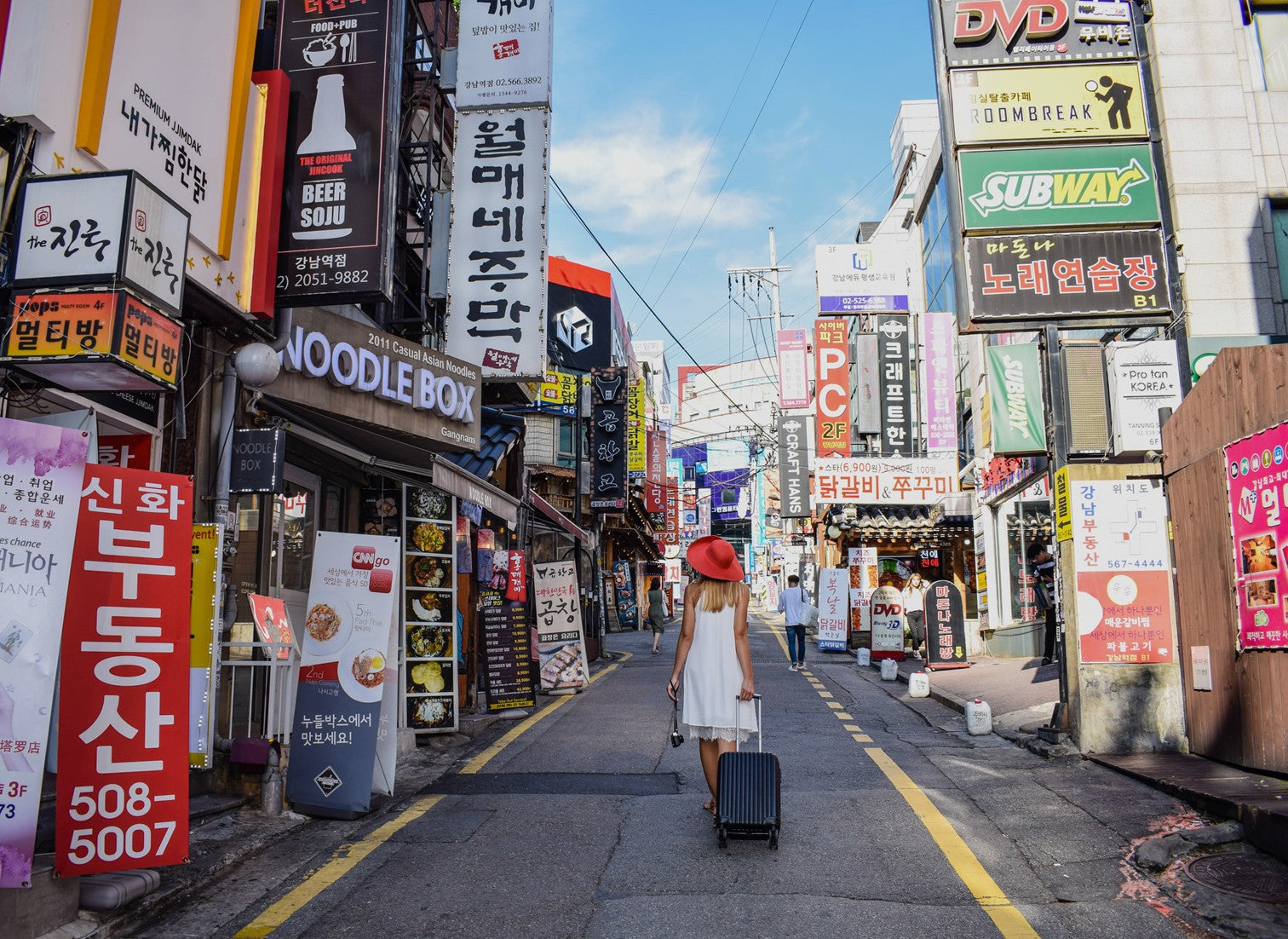
A Swiss–Korean look at everyday life
If you grow up in Switzerland, you get used to certain things: punctual trains, quiet Sunday mornings, privacy, rules, mountains, and a very calm everyday life.
Then you land in Seoul or Busan – and suddenly the world feels faster, louder, more crowded and strangely convenient at the same time.
Here are 10 culture shocks for Swiss in Korea that most people notice within the first few days.
1. “Ppalli-Ppalli” Speed vs Swiss Calm
Switzerland is known for precision and planning, but the everyday rhythm is usually calm and steady.
In Korea, you meet the famous “ppalli-ppalli” (빨리빨리) culture, which literally means “fast-fast”:
-
People walk quickly, talk quickly, make decisions quickly
-
Food delivery often arrives in 15–30 minutes
-
Same-day or next-day parcel delivery is common in big cities
-
Convenience stores are open 24/7 with almost everything you need
For Swiss people used to quiet efficiency, Korean speed can feel exciting and stressful at the same time. Your SBB-trained brain will be impressed and a bit overwhelmed.
2. Noise Level: Quiet Switzerland vs Loud Korea
In Switzerland, people lower their voice on the train, and neighbours complain if you’re too loud on Sunday.
In Korea:
-
Cafés are full of chatting and background music
-
Restaurants can be loud (especially BBQ places and beer spots)
-
Metro announcements, advertisements and phones all compete for attention
-
Kids stay out later, and some areas never really feel “silent”
It’s not “chaos” – there is order. But the base noise level is much higher than in most Swiss towns. Many Swiss visitors say they need a day off in a quiet park or temple after a few days in central Seoul.
3. Public Transport: Both Great, but Very Different
Both countries have excellent public transport, but the style is different.
In Switzerland:
-
Trains are clean, scenic and (usually) punctual
-
People are relatively quiet
-
You have a lot of space, especially outside rush hour
In Korea:
-
Subways run every few minutes, especially in Seoul
-
Stations are full of shops, bakeries and underground malls
-
People move in huge flows, especially at rush hour
-
Tapping in and out with a T-money card feels very digital and fast
You might be shocked by how cheap Korean metro and bus rides are compared to Swiss prices – but also by how crowded they can get.
4. Personal Space & Crowds
Switzerland has space: wide sidewalks, empty mountain trains, quiet lakes.
Korea, especially in cities, has people everywhere:
-
Packed subway cars at rush hour
-
Busy streets in Hongdae, Myeongdong, Gangnam
-
Queues in front of popular cafés or restaurants
For Swiss people, the smaller personal space bubble can feel intense:
-
People standing very close to you
-
Slight pushing in crowds (not aggressive, just “normal flow”)
-
Less apologising for bumps and shoulder contact
It’s not rude by Korean standards – it’s just dense city life.
5. Hierarchy, Age & Formality
Swiss culture is relatively horizontal: you call many people by first name, and hierarchy feels subtle.
Korean culture has much stronger hierarchy and formality, especially in:
-
Language (formal vs informal speech)
-
How you address older people, bosses, teachers
-
Workplaces and university settings
You might notice:
-
People asking your age quickly – because it decides how they speak to you
-
Bowing slightly when greeting or thanking someone
-
Using two hands to give/receive items like business cards, drinks or money in more formal situations
For a Swiss person, this can feel very polite but also very structured. You suddenly think about your age and position much more than at home.
6. Work Culture & Hours
Swiss workplaces generally value efficiency, organisation and work–life balance (even if overtime exists).
Korean work culture has improved in recent years, but many offices and companies still have a strong “stay late” culture:
-
Long working hours are common, especially in big companies
-
Evening company dinners (hoesik, 회식) with alcohol can be expected
-
People sometimes feel pressure to show loyalty by staying longer than the boss
For Swiss people used to leaving at 17:00–18:00 and protecting their free time, Korean office culture can be a big shock – and an important factor if you think about working there long-term.
7. Drinking Culture & Nightlife
Yes, Swiss people drink – but usually in a more private, controlled way.
In Korea, drinking is often part of social and work culture:
-
After-work soju and beer with colleagues
-
Drinking games at the table
-
Long nights that move from BBQ to bar to karaoke (noraebang)
You might be surprised by:
-
How much some groups drink in one evening
-
People being drunk in public but still somewhat functional
-
Drinking as part of “team-bonding”, not only partying
For Swiss visitors, it can be fun to experience once or twice – but also shocking how normal heavy drinking can be in certain groups.
8. Beauty Standards & Skincare Obsession
Switzerland has a relatively relaxed, natural approach to beauty.
In Korea, appearance is much more central in everyday life:
-
Skincare shops like Olive Young everywhere
-
Billboards with very flawless faces
-
Cosmetic surgery advertised openly
-
Comments about appearance and weight are more common (even in families)
At the same time, skincare culture is very advanced:
-
High SPF awareness
-
Multi-step routines
-
Many affordable products and clinics
For Swiss people, this mixture of pressure and high-quality skincare can feel both inspiring and uncomfortable. You may start wearing sunscreen more seriously – but also feel more observed.
9. Convenience: Convenience Stores, Delivery & 24/7 Life
Switzerland is famous for its Sunday closing hours and quiet evenings.
Korea feels the opposite in many ways:
-
Convenience stores (CU, GS25, 7-Eleven) open 24/7
-
You can buy hot food, snacks, drinks, basic medicine, chargers, toothpaste… all at 2am
-
Food delivery apps will bring almost anything to your door: fried chicken, coffee, groceries, even convenience store items
This level of 24/7 convenience can be a huge culture shock for Swiss visitors:
“You mean I can order hot soup to my door at 3am?”
Once you get used to it, going back to Swiss Sunday rules can feel very strange.
10. Trash, Recycling & Public Bins
Swiss people are proud of their recycling system and clean streets – but also used to having enough public bins around.
In Korea:
-
The waste separation system is strict (food waste, general waste, recycling bags, etc.)
-
Many neighbourhoods have designated collection points and specific times
-
In some city areas, there are surprisingly few public trash cans (partly for security and management reasons)
This leads to a funny small culture shock for Swiss people:
-
You suddenly carry your trash around for a while
-
You’re not sure which bag is for what
-
You realise that “clean streets” also exist with a very different system behind them
It’s a reminder that both countries care about cleanliness and recycling, but the rules and everyday experience are not the same.
Final Thoughts: Culture Shocks Are Part of the Fun
For Swiss people, travelling or living in Korea means:
-
swapping mountains for neon lights,
-
quiet lakes for busy night streets,
-
strict Sunday rules for 24/7 convenience,
-
and calm Swiss time for “ppalli-ppalli” speed.
Some culture shocks will feel amazing (cheap amazing food, late-night cafés, fast delivery).
Others will feel exhausting (crowds, noise, long working hours, beauty pressure).
The key is to remember:
-
different doesn’t mean better or worse – just different
-
understanding the “why” behind habits makes them easier to accept
-
you’re allowed to enjoy some parts and dislike others
If you’re Swiss and planning a trip or a longer stay in Korea, these 10 culture shocks will probably find you. The question is:
Are you ready to experience them – and maybe fall a little in love with both worlds?